



1
2
3
4
5
6
7
8
9
10
11
12
13
14
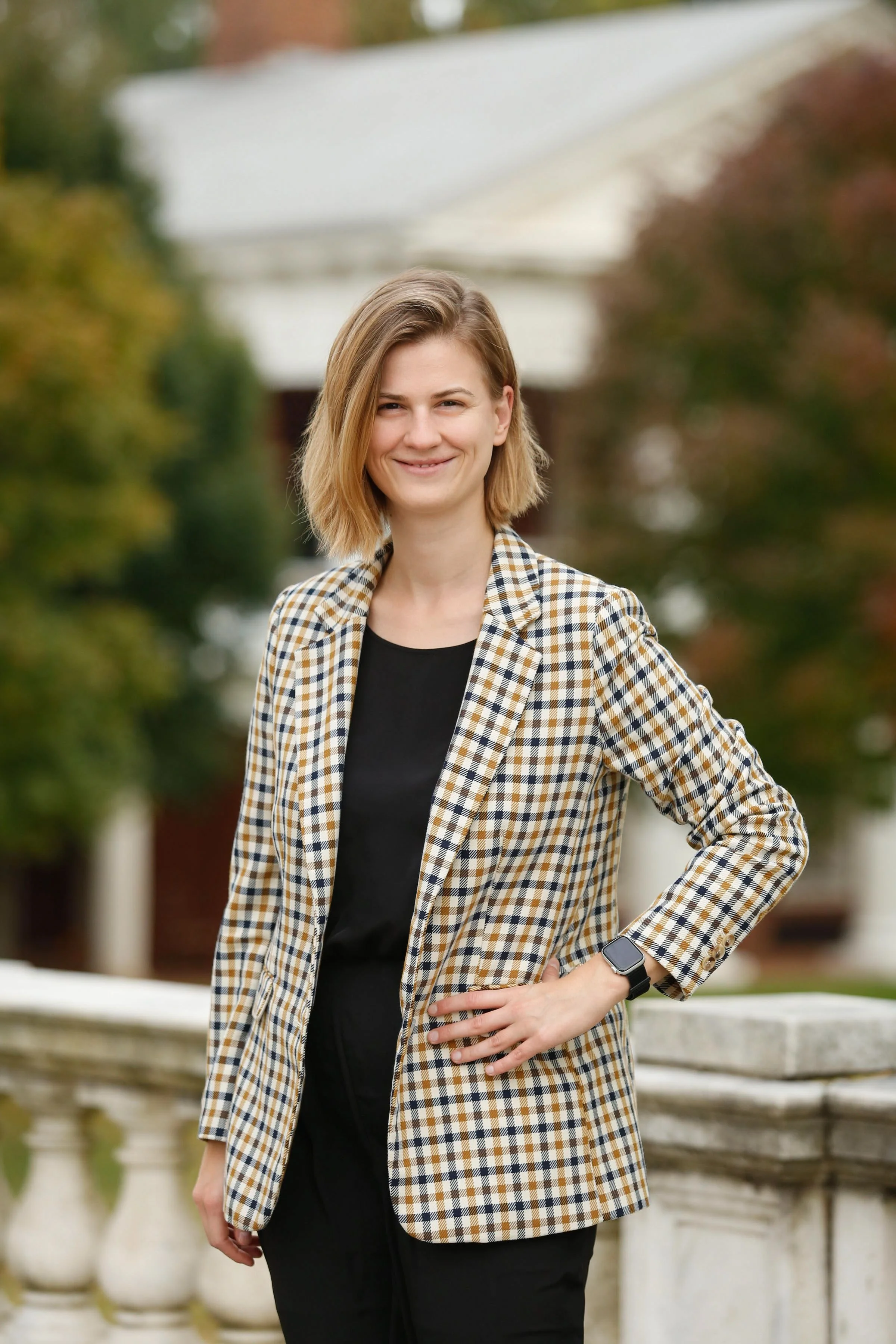
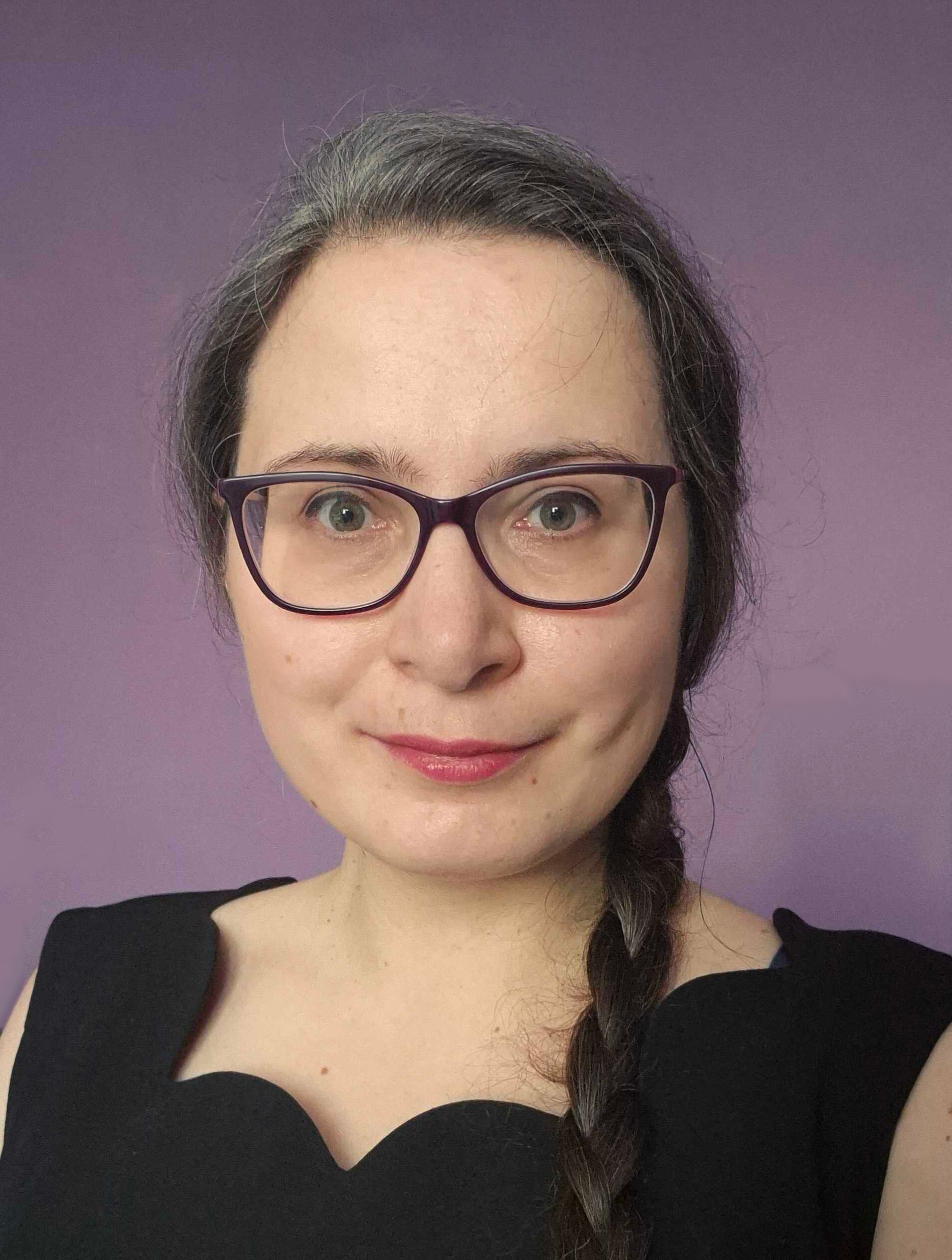
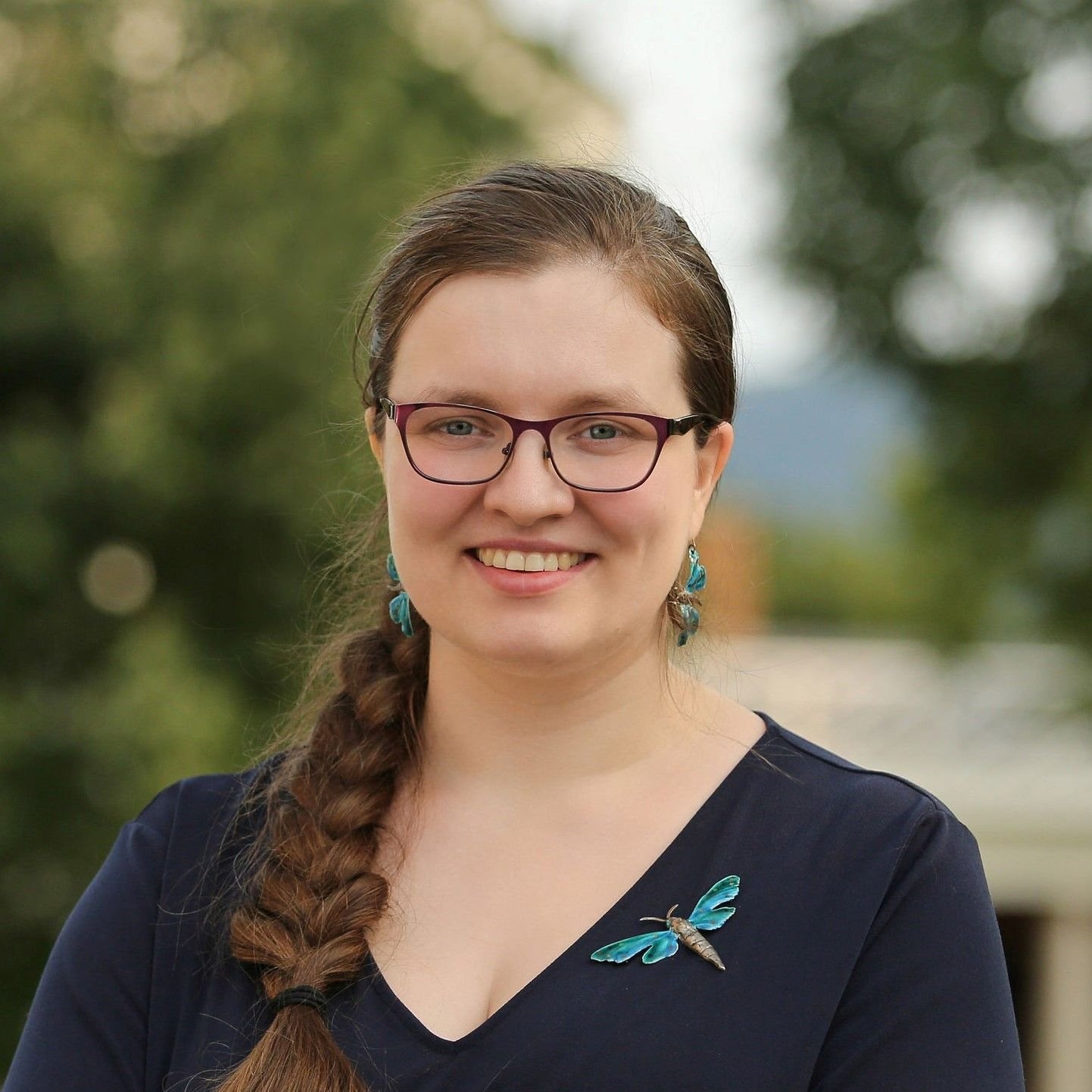
Elżbieta Dulko
Dr. Elżbieta Dulko is a systems neuroscientist specializing in the neural mechanisms underlying absence epilepsy and seizure generation. She recently completed her PhD in Neuroscience at the University of Virginia, US where her research focused on understanding how neuronal activity and synchrony across cortical and thalamic circuits contribute to seizure initiation and propagation.
Using in vivo electrophysiology, single-unit recordings, EEG, and computational analyses, her work has investigated large-scale neuronal dynamics during absence seizures in mouse models. Her research identified early hypersynchrony in midline thalamic circuits and demonstrated that targeted disruption of thalamic activity can rapidly terminate seizures, highlighting potential targets and stimulation strategies for neuromodulation.
Her broader interests lie at the intersection of systems neuroscience, computational analysis, and translational medicine, with a particular focus on understanding neurological disorders and develop clinically relevant therapeutic strategies.
Outside the lab, she likes any activity that gets her outdoors, plans to see as much of the world as possible, and is a huge Arsenal fan.
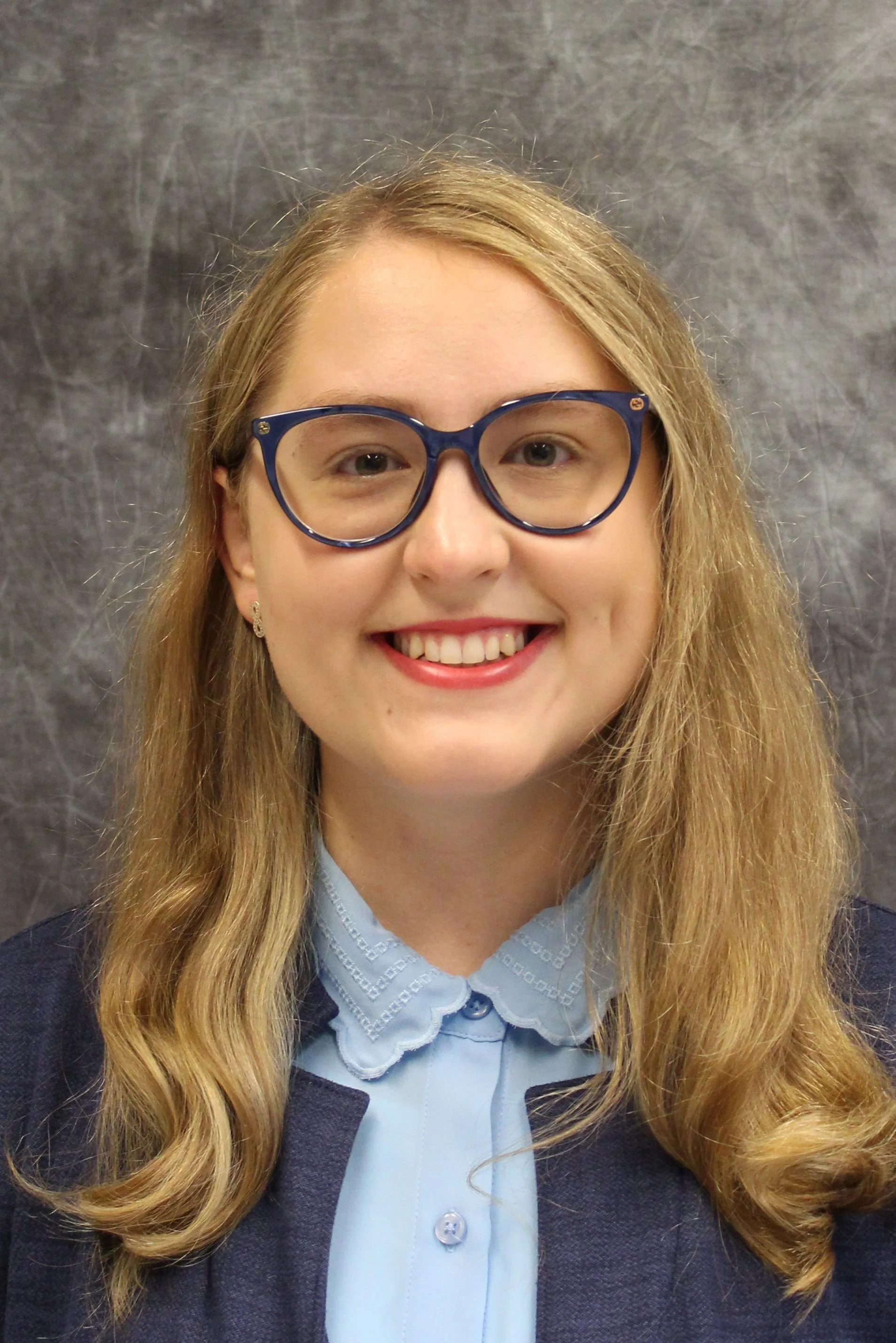
Katarzyna Kuźmicz-Kowalska
Kasia Kuzmicz-Kowalska obtained her MSc in Biotechnology at the University of Warsaw, followed by PhD in Developmental Biology at Institute of Science and Technology Austria. She then decided to pursue a path beyond academia and became a Grant Manager at the Medical University of Vienna. Currently, she coordinates funding acquisition and manages EU projects at high tech company Viewpointsystem (Vienna). During her PhD, she also developed a podcast Science on Trial (and Error) where she interviewed researchers from different fields about their journey within and beyond academia. Reach out if you’d like to talk about career transitions, project management or work-life balance.
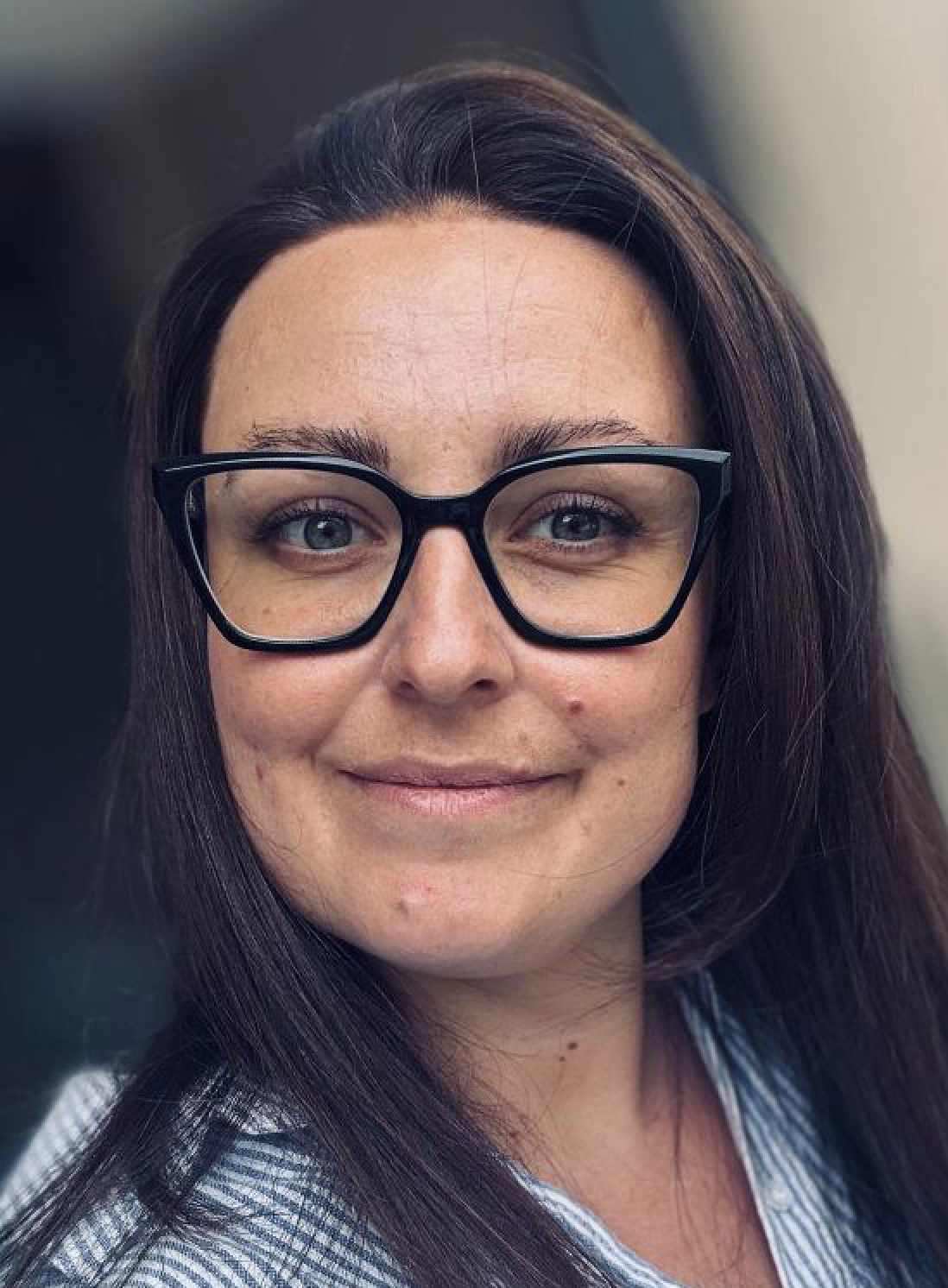
Anna Hoy
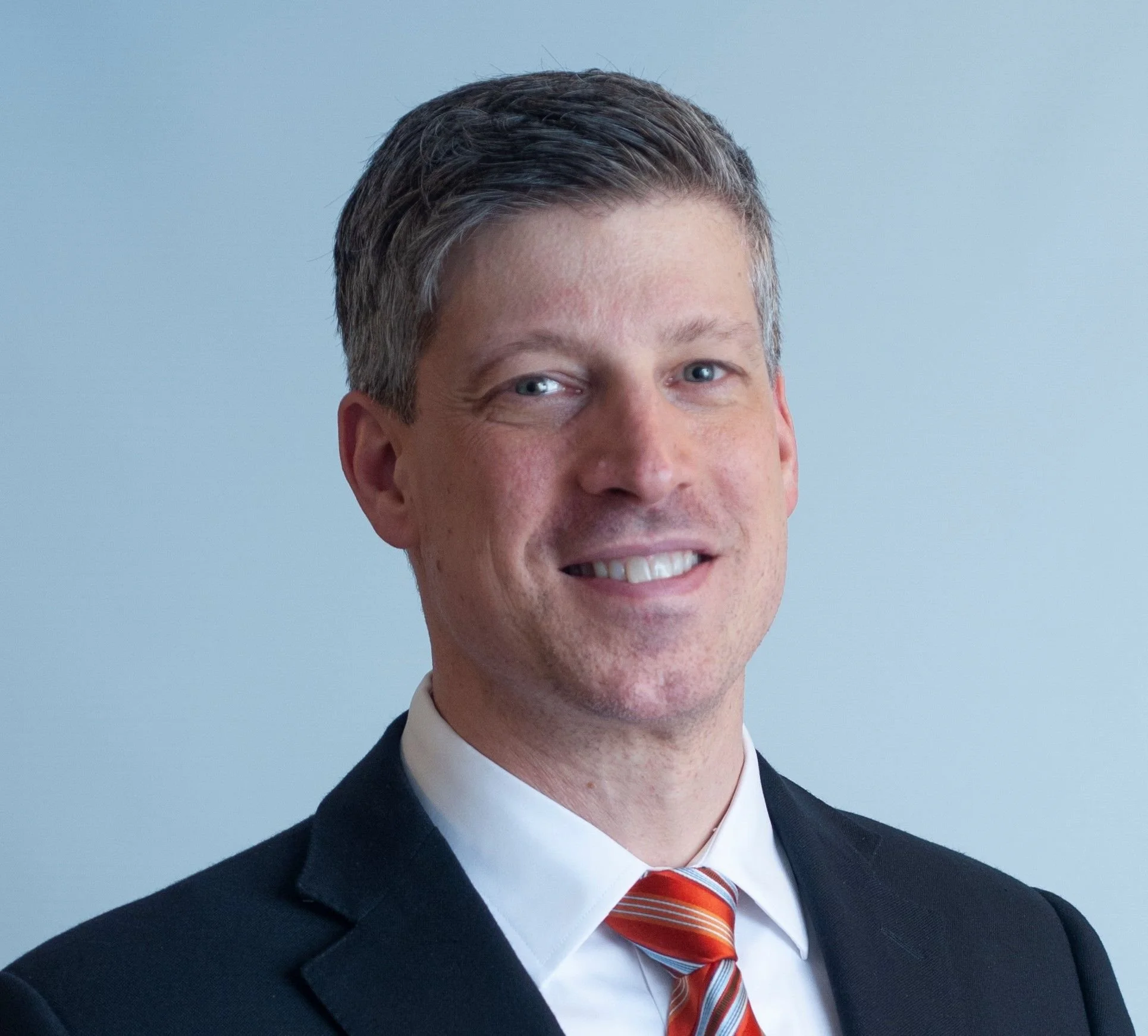
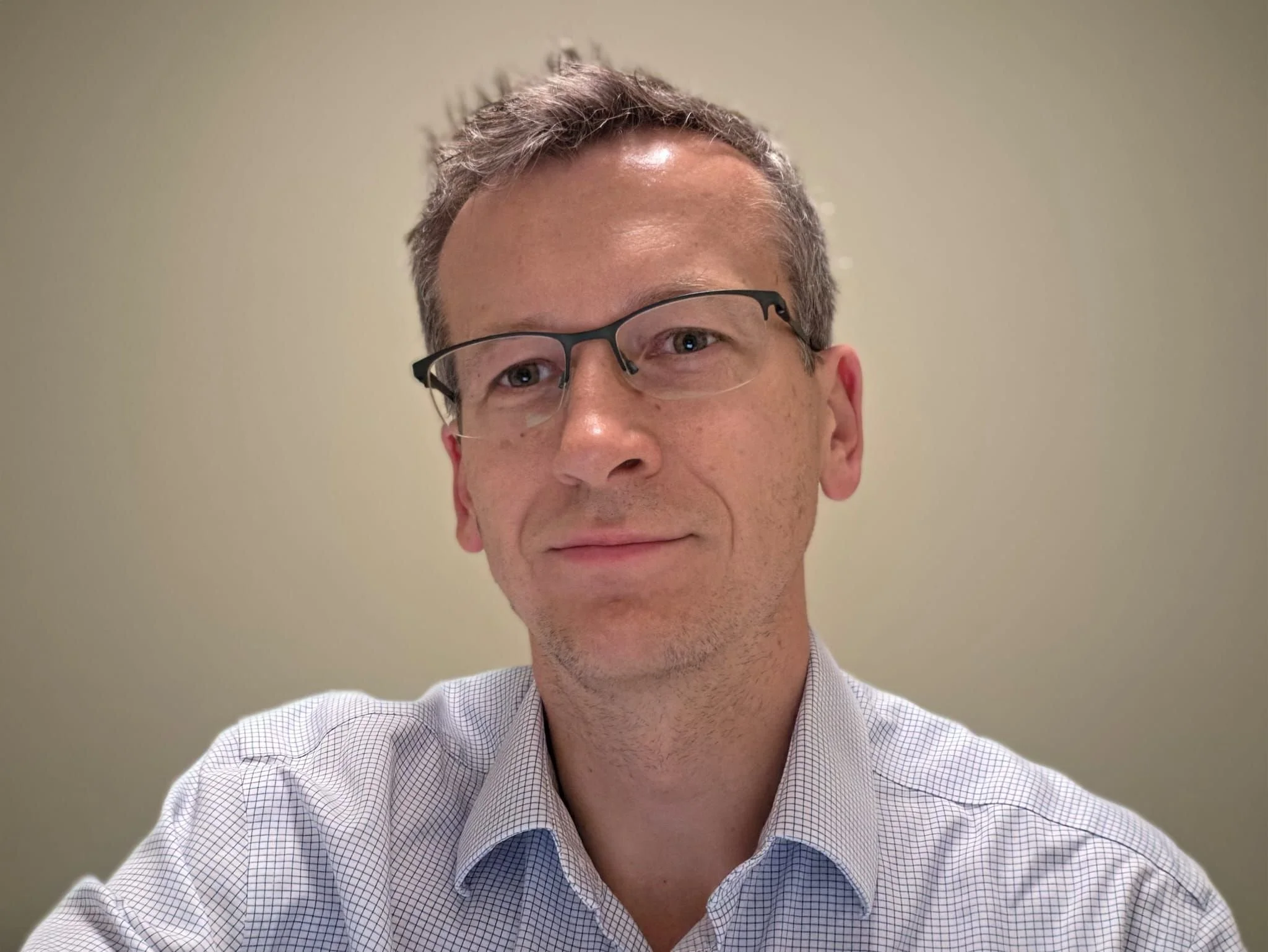
Leon Ptaszek
Dr. Leon Ptaszek is an Assistant Professor of Medicine at Harvard Medical School. Dr. Ptaszek received his undergraduate degree with high honors from Wesleyan University in 1994 and his MD and PhD degrees from the Mount Sinai School of Medicine (New York University) in 2003. He completed a residency program in Internal Medicine at the Stanford University School of Medicine in 2005 and then completed clinical and research fellowships in Cardiovascular Diseases and Clinical Cardiac Electrophysiology at the Massachusetts General Hospital in 2011.
Dr. Ptaszek’s primary research interests include the molecular mechanisms of scar formation after myocardial infarction and interventions that reduce post-infarct scar burden. His interests also include new technologies related to catheter ablation procedures for cardiac arrhythmias, as well as new clinical treatment strategies to minimize stroke risk in patients with atrial fibrillation. Dr. Ptaszek is a co-inventor on nine patents/patents pending and is the author of over 70 original scientific publications, book chapters and reviews. He is regularly invited to deliver lectures related to his areas of clinical and research expertise on national and international levels. Dr. Ptaszek also maintains an active referral practice that includes local, regional, national, and international referrals. In addition, Dr. Ptaszek is involved in international health outreach efforts and has performed pacemaker and defibrillator implantation procedures in Cape Verde, Ethiopia, and India. Dr. Ptaszek also initiated the creation of the Indian Country Cardiology ECHO lecture series, an educational series delivered as part of the Indian Health Service and is regularly attended by clinicians throughout North America.
Dr. Ptaszek received the Franklin G. Ebaugh, Jr. Award for research and the Award for Professionalism from the Stanford University School of Medicine in 2005. He received the Clinician-Scientist Award from the Harvard Stem Cell Institute and was named the de Gunzburg Scholar at MGH in 2011. Dr. Ptaszek became a Fellow of the American College of Cardiology in 2013 and became a Fellow of the Heart Rhythm Society in 2018. He received a Pioneer Award for management of SVT from the Arrhythmia Alliance in 2021. In addition, he received Innovation and Pillar of Excellence awards from MassGeneral Brigham in 2022 and 2024, respectively.
Małgorzata Mnich
Małgorzata Mnich obtained her Bachelor's and Master's degrees in Biochemistry from Jagiellonian University in Kraków, Poland. During her studies, she developed a strong interest in immunology, investigating immune-mediated skin diseases, including psoriasis, and gaining early research experience in cellular immunology.
In 2017, she pursued her doctoral research within the Infection and Immunity programme at the Graduate School of Life Sciences, Utrecht University, the Netherlands, as part of the Marie Skłodowska-Curie Horizon 2020 DISSection project (Doctoral Industrial School on Human Skin Models for Staphylococcal Infections). Her PhD research focused on human-specific pathogenic and immune evasion mechanisms of Staphylococcus aureus, with particular emphasis on host–pathogen interactions and protective T-cell immunity. Combining academic and industrial research, her doctoral work was conducted at UMC Utrecht in the Netherlands and GSK Vaccines in Siena, Italy. In 2022, she successfully defended her PhD thesis entitled Skin Immunity in Protection Against Staphylococcus aureus Infections.
Małgorzata is currently a Senior Postdoctoral Researcher in the Innate Immunity Unit, Department of Immunology, at Institut Pasteur in Paris, France. Her research focuses on mucosal immunity in the context of bacterial colonization, particularly S. aureus carriage in the upper respiratory tract and its impact on local and systemic immune responses. She is also involved in developing approaches that integrate clinical sample analysis, immunological profiling, and multi-omics to investigate the relationship between bacterial colonization and host immunity. During her postdoctoral research, she has been awarded research seed and travel grants to support her independent research projects and participation in scientific conferences.
Throughout her academic career, Małgorzata has gained research experience in Poland, Belgium, the Netherlands, Italy, and France, working in diverse academic and industrial environments. These international experiences have shaped her multidisciplinary approach to research and strengthened her interest in collaborative science, mentorship, and fostering a supportive and inspiring academic environment.
Michał Kurzelewski
Michal Kurzelewski, a medical doctor with a PhD and Certification in Medicines Development, is an expert in leadership, innovation, healthcare management, and technology transfer. He brings over 20 years of executive experience from leading pharmaceutical corporations (including Sanofi, AstraZeneca, and Pfizer), combining multinational and multicultural leadership across more than 15 countries with an academic background.
In addition, he has been actively involved in identifying healthcare innovation projects in Poland and authored the Pfizer PACTT Academy - a dedicated training program designed to boost tech transfer capabilities among scientists.
As a mentor, he helps mentees navigate technology commercialization, career transitions, and leadership in healthcare.
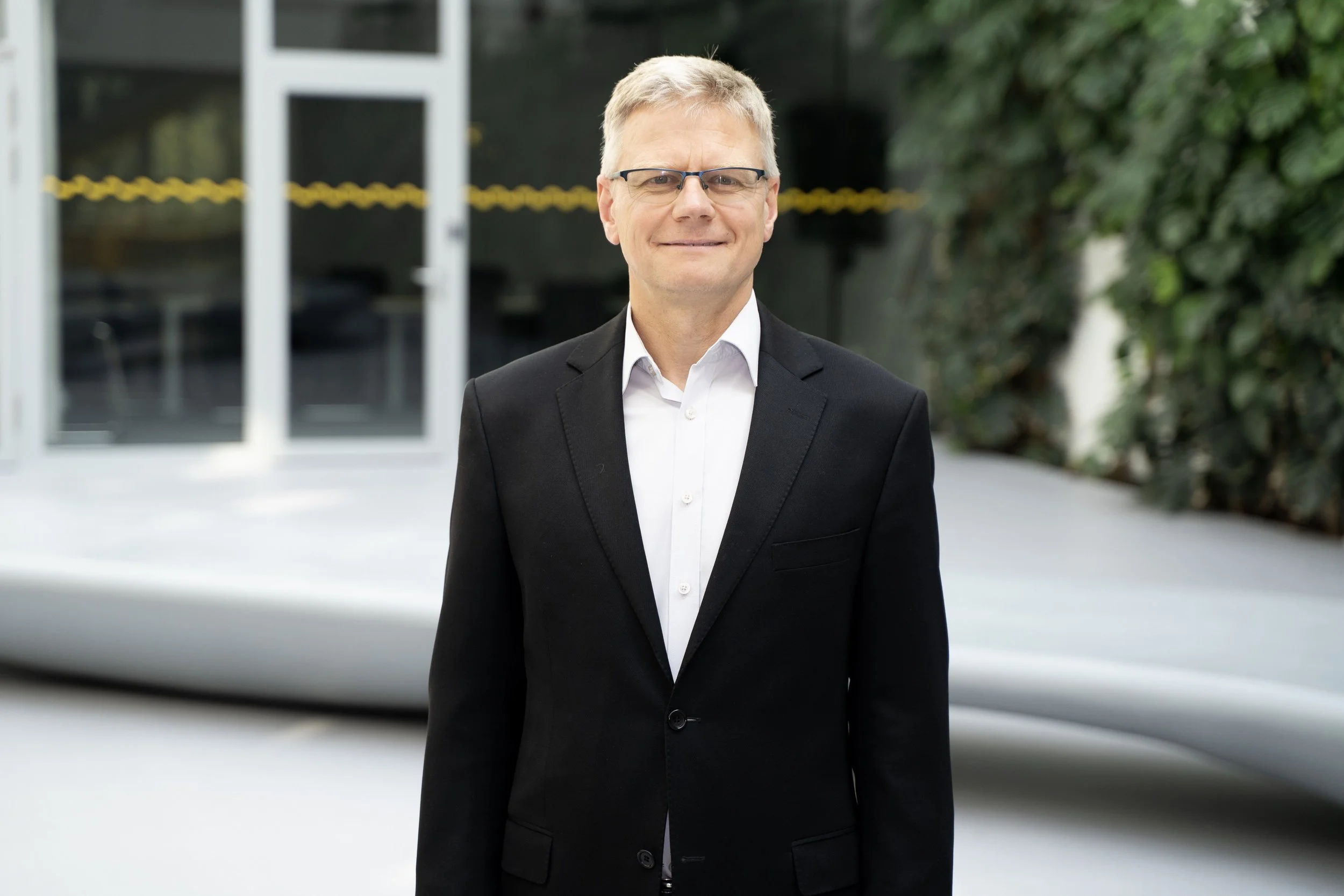
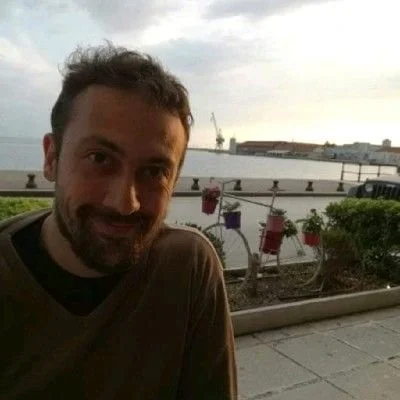
Michalis Symeonidis
I pursued my academic journey through Political and Social Sciences as well as International History at esteemed institutions including Aristotle University of Thessaloniki, Democritus University of Thrace, and the University of Lausanne. With over two decades of experience in the private sector spanning Greece and international arenas, I've cultivated a rich understanding of various socio-political landscapes.
Presently, I am engaged as a Ph.D. candidate at the University of Lausanne, delving into the intricate history of Greek political refugees in Poland after 1949. Also, I share my passion for history as an educator. My research is multifaceted, focusing on Greeks in the USSR and Warsaw Pact countries, the plight of Pontic Greeks, immigration dynamics, responses to refugee crises, and broader social issues. Through my academic pursuits and teaching endeavors, I aim to contribute meaningfully to our understanding of historical narratives and their contemporary relevance.
Alicja Olszewska
Alicja Olszewska, PhD, Eng, earned her PhD at the Nencki Institute of Experimental Biology, where her doctoral research focused on neuromusicology and brain plasticity - using musical training (such as piano instruction) as a model to examine neurocognitive adaptation, auditory perception, and functional brain reorganisation.
Building on her foundation in auditory processing and neural adaptation, Dr. Olszewska’s current research project focuses on the acoustic and prosodic characteristics of infant-directed speech in autistic mothers. Her work investigates how adult neurodiversity shapes intra-familial communication and the dynamics of parent-infant interactions. Utilising acoustic signal processing, psycholinguistics, and non-invasive tracking, Dr. Olszewska quantifies variations in Infant-Directed Speech (IDS) to determine downstream impacts on early infant language acquisition. In her work, she seeks to replace deficit-centred models with neurodiversity-affirming frameworks.
Apart from her scientific research, dr Olszewska is involved in popular science ventures, frequently appearing on radio, in podcast, and social media, where she educates about the brain and neuroscience.
Magda Opanowicz
I am passionate about building bridges between people, ideas, and opportunities. Throughout my career, I have spanned academia and industry, gaining diverse experience in research, lab and facility management, business development, scientific consulting, and customer-facing roles within the life sciences sector.
Having worked closely with researchers, industry professionals, and commercial teams, I understand both the scientific and business sides of innovation - and the unique challenges of navigating between them.
I love meeting people from diverse backgrounds, exchanging knowledge, and supporting others as they make pivotal career and life decisions. My core interests include leadership, innovation, intentional networking, and creating environments where people can thrive.
Paulina Babiak
Paulina Babiak is a Senior Scientist at AbbVie, working in Biologics Drug Product Development. She started her career at AbbVie in late-stage R&D and commercial support of synthetic molecule active pharmaceutical ingredients.
She earned her Ph.D. in Chemical Engineering from Purdue University, where she focused on developing biomaterials and studying the subcutaneous delivery of monoclonal antibodies. Paulina is a 2021 recipient of the National Science Foundation Graduate Research Fellowship. She received her B.S. in Chemical Engineering from Columbia University in 2019, with minors in Biomedical Engineering and East Asian Studies.
Róża Przanowska
Dr. Róża Kamila Przanowska is a Polish molecular biologist specializing in non-coding RNAs in cancer and development. She recently opened her independent research group as an Assistant Professor of Cancer Biology at Loyola University Chicago Stritch School of Medicine. Her group studies how long non-coding RNAs drive heterogeneity in estrogen receptor–positive breast cancer through their structure and function, and how transient oncogenes and premalignant microenvironments govern the earliest steps of malignant transformation. Her translational research integrates primary patient-derived organoids, mouse models, molecular approaches, and computational biology to connect fundamental discoveries in RNA biology and cancer genetics to novel diagnostic and therapeutic strategies.
Dr. Przanowska earned her B.Sc. and M.Sc. in Biotechnology from the University of Warsaw (Warsaw, Poland). She was a Fulbright BioLAB fellow at the University of Virginia, where she subsequently obtained her Ph.D. in Biochemistry and Molecular Genetics. Her Ph.D. work in Dr. Anindya Dutta’s laboratory focused on long and short non-coding RNAs in skeletal muscle differentiation and extended into cancer biology, DNA replication, the DNA damage response, and developmental disorders. A National Cancer Institute F99/K00 Award facilitated her transition to postdoctoral training in Biomedical Engineering in Dr. Kevin Janes’s laboratory, focused on breast cancer biology and translational research. She developed zero-passage patient-derived organoids, an innovative model for studying estrogen receptor–positive breast cancer in the lab and alongside clinical trials. Dr. Przanowska has received multiple awards recognizing her research, mentoring, leadership, and service, including the Mentor of the Year award from the Polonium Foundation.
Robert Walczyk
Hi, I'm Robert. An engineer, passionate about automation, optimisaiton and unification. I have done my PhD in the field of Digital Electronics. Started my professional career at Cambridge Silicon Radio, now with Arm, Cambridge, focusing mainly on hardware acceleration for SoC prototyping.
I know how overwhelming it can feel when you’re starting out or trying to grow your professional career. Having now gained experience from both the technical and leadership perspectives, I’d be happy to share what I’ve learned, help you navigate challenges, and offer a different perspective when you need it.
Jakub Knurek
Marketing expert with expertise in biotech and pharma. My focus is on specialized marketing, personal brand positioning, and communication strategy for biologic drugs. I specialize in translating complex biologics development, drug manufacturing, and analytical services into clear, value-driven messaging that supports pipeline growth, brand differentiation, and commercial success. I currently lead Mabion's marketing strategy and execution across digital, content, events, and industry communications delivering strong, data-backed performance:
- LinkedIn company growth (2025): +2k followers, 1.3M+ views, 7k reactions, 200+ posts publications
- Content marketing (2025): 40+ scientific and news articles published in 2025, strengthening scientific credibility and brand awareness
- Digital & media presence (2025): 220+ external industry articles and 250+ external LinkedIn posts in leading outlets including Manufacturing Chemist, Contract Pharma, Outsourced Pharma, BioProcess International, CPHI, PharmaSource
- SEO leadership (US market, 2025): 3× increase in TOP3 keywords and 4× increase in TOP10 keywords, driving visibility in competitive biotech and CDMO search landscapes
- Nominated three years in a row as Future Leader in the CPHI Pharma Awards (2024-2026)
- Nominated as One-to-Watch and Marketing Professional of the Year for the Life Science Sales and Marketing Awards (2025)
My role extends beyond digital marketing into global brand visibility and executive positioning. I actively represent organizations at major international industry events, including CPHI 2023-2026, BIO International Convention 2025 beyond others. I participated as a speaker on the “Building the Future Pharma Workforce” discussion panel at CPHI 2024, contributing to industry-level dialogue on talent and leadership.
What differentiates my leadership is a strong scientific foundation. I participated in analytical method transfer during a collaboration with Novavax for COVID-19 vaccine manufacturing and gained in-depth exposure to monoclonal antibodies (rituximab, cetuximab). This enables me to bridge science, marketing, and commercial strategy.
I'm driven to lead high-performing marketing organizations, strengthen biotech and pharma brands globally, and enable companies to clearly articulate their value across the entire biologics lifecycle.
Katarzyna Raczy-Illmer
Dr Katarzyna Rączy is a cognitive neuroscientist investigating how the human brain represents and processes information across sensory modalities. Her research focuses particularly on how early sensory experience shapes the functional organisation of the human brain.
Katarzyna completed her PhD in Psychology at Jagiellonian University in Kraków, where she investigated tactile Braille reading in blind and sighted individuals. From 2019 to 2025, she worked as a postdoctoral researcher at the University of Hamburg in the Department of Biological Psychology and Neuropsychology, where she investigated the effects of transient congenital visual deprivation and subsequent sight restoration on the functioning of the visual system, with a particular focus on the face-processing system.
Since October 2026, she has been an Assistant Professor at SWPS University in Warsaw. A major focus of her current research is understanding how numerical representations are organised in the brain and the extent to which they are shaped by innate constraints, and to which by sensory experience. She is particularly interested in tactile Braille as a unique model for investigating how abstract numerical information is represented in the brain.
Her research combines functional neuroimaging and behavioural methods with advanced computational and multivariate approaches to investigate the neural mechanisms underlying perception and cognition.
Polonium Foundation - Linking Polish scientists around the world.
Do you have an idea for a project we could work on together? Do you think a partnership would benefit both parties? We have extensive experience of working with the academic community, industry, and non-governmental organisations. Let’s get in touch!
Join our community and never miss an event!
We’d love to find out more about you and your project!
With love ❤ from Polonium Foundation 2026
Privacy Policy (Polityka Prywatności)
Cookie Policy (Polityka Plików Cookie)
Fundacja Polonium / Polonium Foundation
Pl. Bankowy 2, 00-095 Warszawa, Polska/Poland
NIP: 7010584408
Click to download Foundation's legal documents (in Polish)